
Vardzia tour from Tbilisi
Vardzia Tour from Tbilisi offers a unique journey to one of Georgia’s most remarkable historical landmarks. Explore the ancient cave monastery carved into the mountainside, learn about its fascinating history, and enjoy the beautiful landscapes of southern Georgia. A perfect day trip for travelers who want to experience culture, history, and unforgettable views.
Trip Itinerary
Your Itinerary
Tbilisi
Borjomi
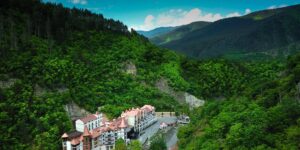
Borjomi is a hydrothermal health spa resort in the southern region of Samskhe-Javakheti in Georgia. This picturesque valley of 10,500 residents lies within the Agura River gorge at an altitude of 800 m. Borjomi has an international reputation for its geothermal spring mineral water resources.
Akhaltsikhe
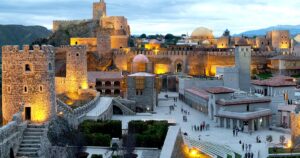
Akhaltsikhe Castle is a medieval fortress built in the 9th century under the name "Lomsia Castle" in the city of Akhaltsikhe in southern Georgia, recently globally reconstructed. One of the main attractions of the Samtskhe-Javakheti region along with Vardzia
Vardzia
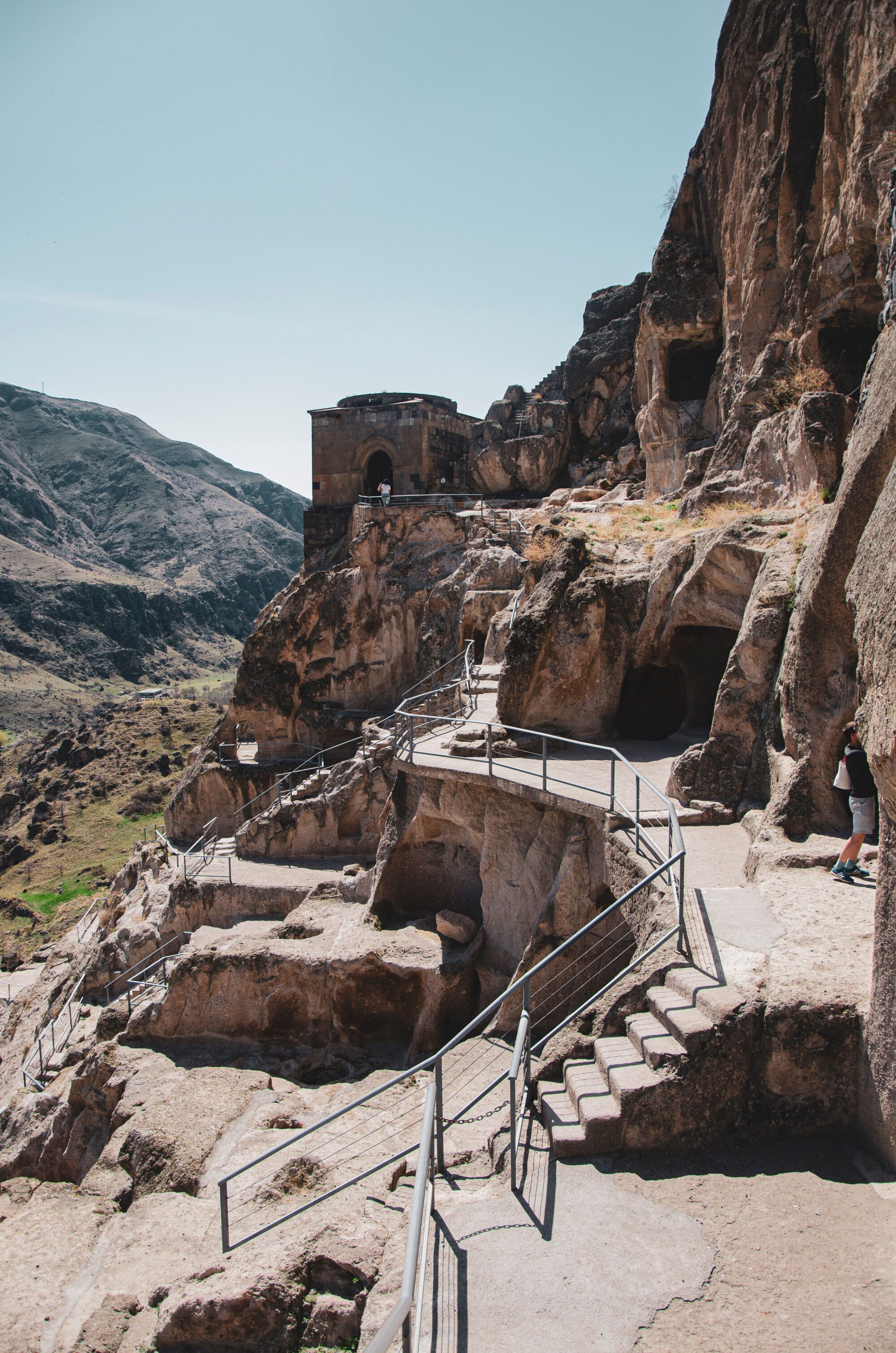
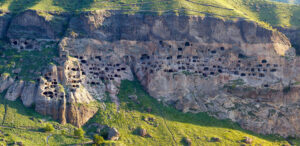
Vardzia is a cave monastery site in southern Georgia, excavated from the slopes of the Erusheti Mountain on the left bank of the Kura River, thirty kilometres from Aspindza. The main period of construction was the second half of the twelfth century
Tbilisi
What's included
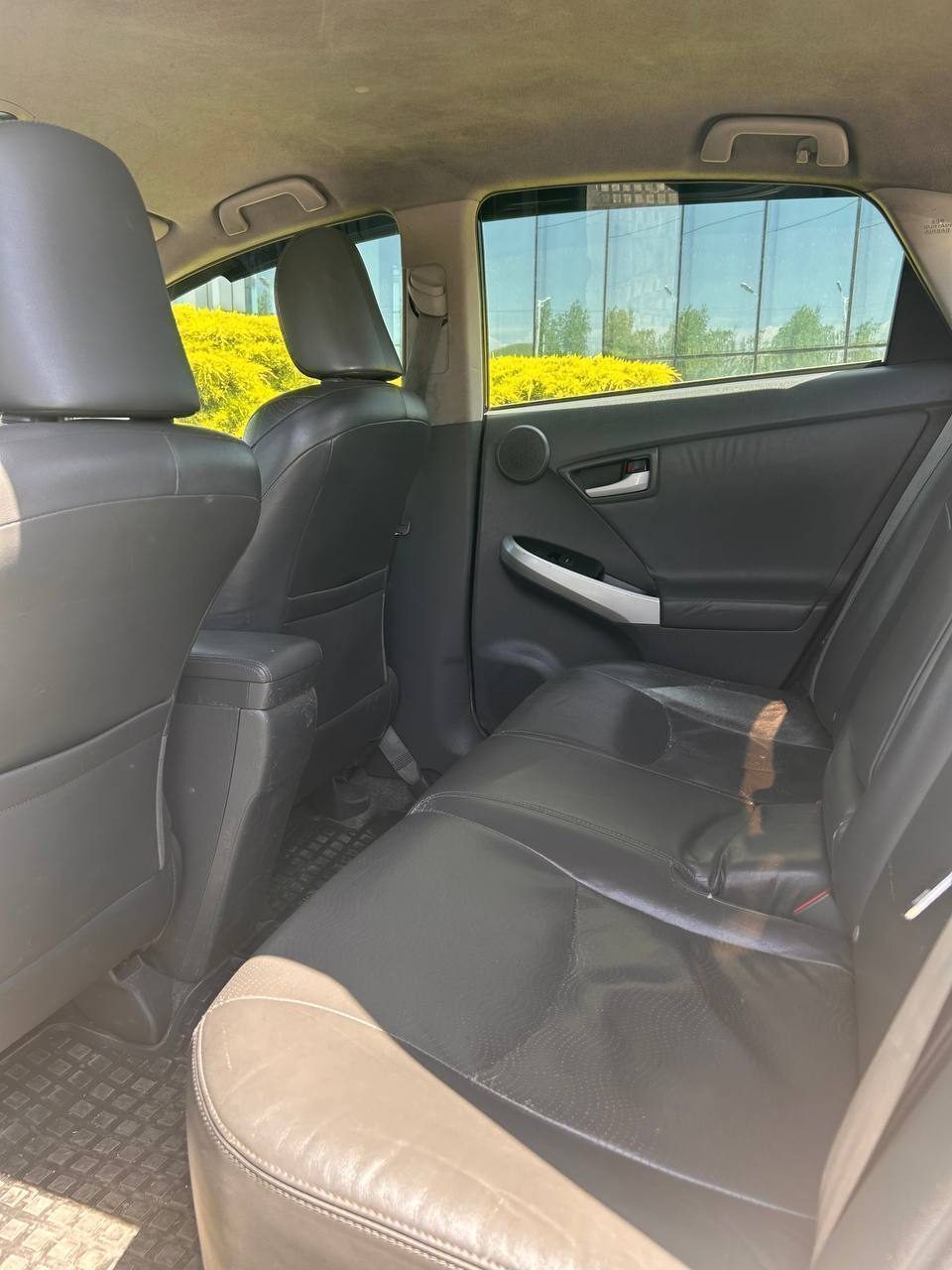
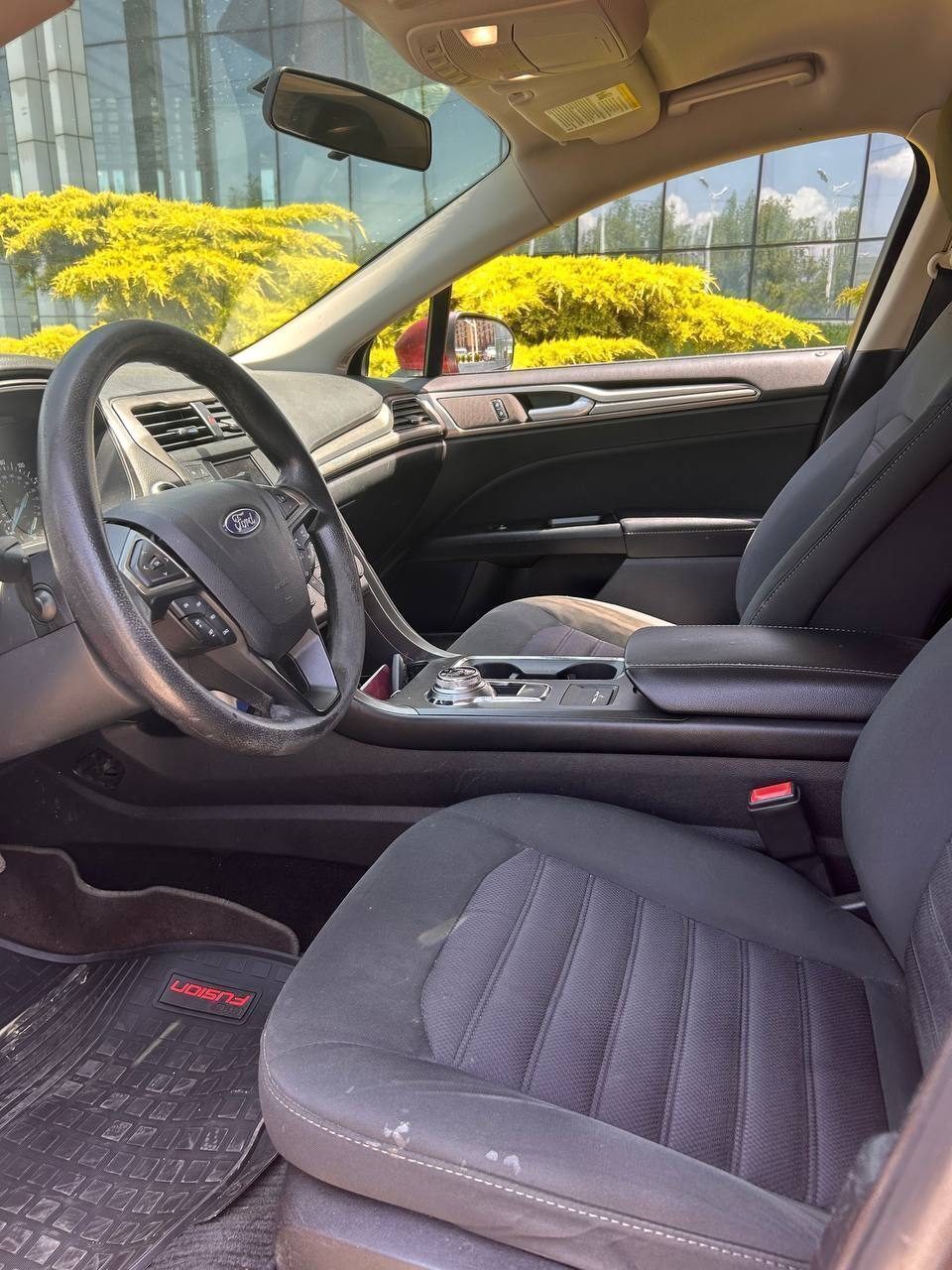
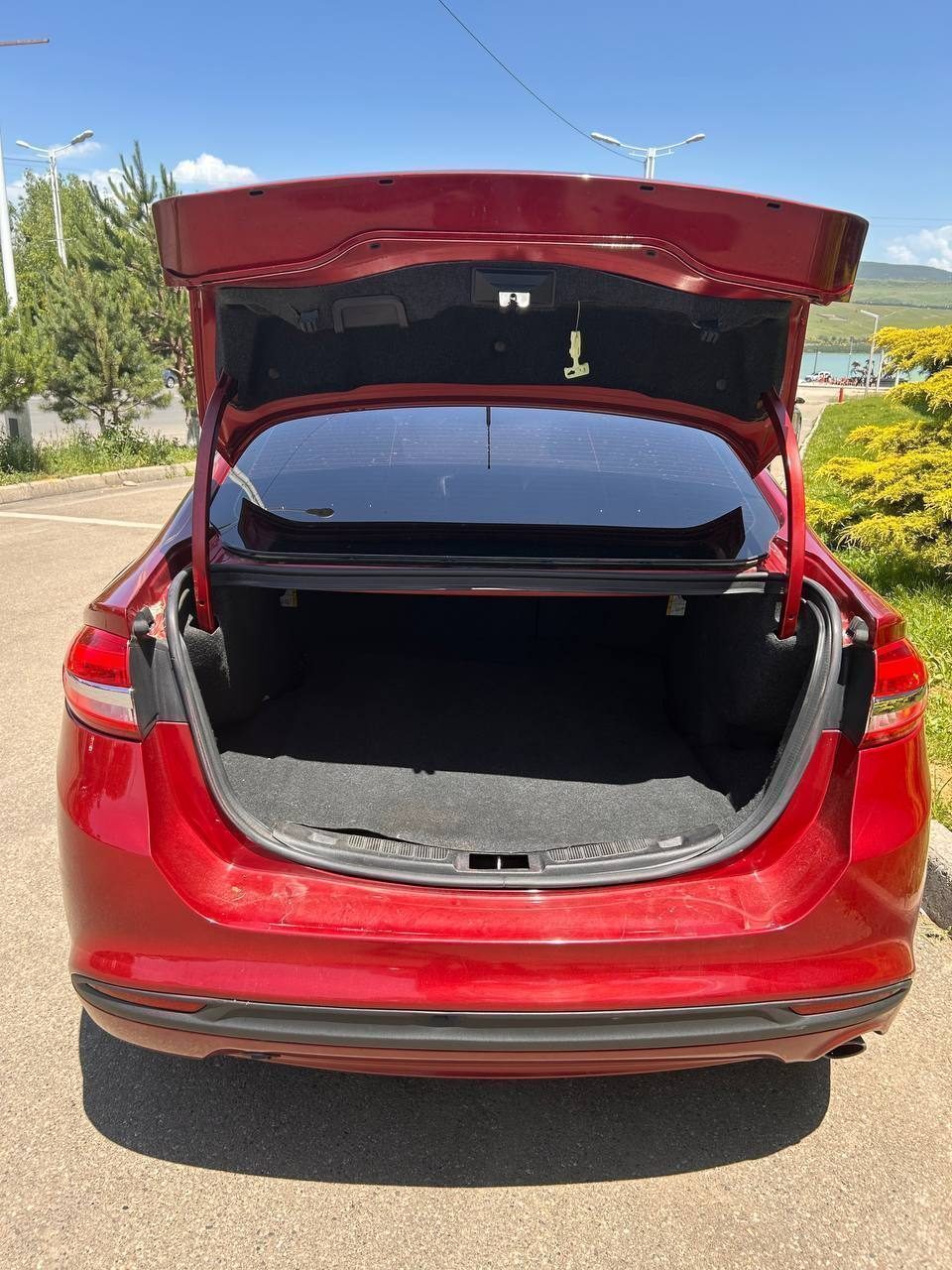
Available cars for Vardzia tour from Tbilisi
Prices include the vehicle, fuel, tolls, and your driver. Payment is cash only.





Daviti
491.35 km
Reviews for Daviti
Total price





Bacho
491.35 km
Reviews for Bacho
Jasmin
Jul 7, 2026
very comfortable experience.
Total price




Revaz
491.35 km
Reviews for Revaz
Peter
Jul 7, 2026
Our driver is professional, punctual, and friendly.
Anastasia
Jul 7, 2026
These guys helped me a lot! I've booked a transfer about 10 hours before the arrival and got the confirmation in 30 minutes!
Total price



Shmagi
491.35 km
Reviews for Shmagi
Karoun
Jul 7, 2026
Excellent value and experience, 100% recommended
Michelle
Jul 7, 2026
Хороший водитель, очень приятно общаться
Clare
Jul 7, 2026
Very nice driver, good communication
Total price




Revaz
491.35 km
Reviews for Revaz
Total price




Edgar
491.35 km
Reviews for Edgar
Total price
Weather forecast for the Vardzia tour from Tbilisi
Tbilisi
Sun, Aug 9
Borjomi
Sun, Aug 9
Akhaltsikhe
Sun, Aug 9
Vardzia
Sun, Aug 9
What travelers say about SafeTrip
More day trips
View all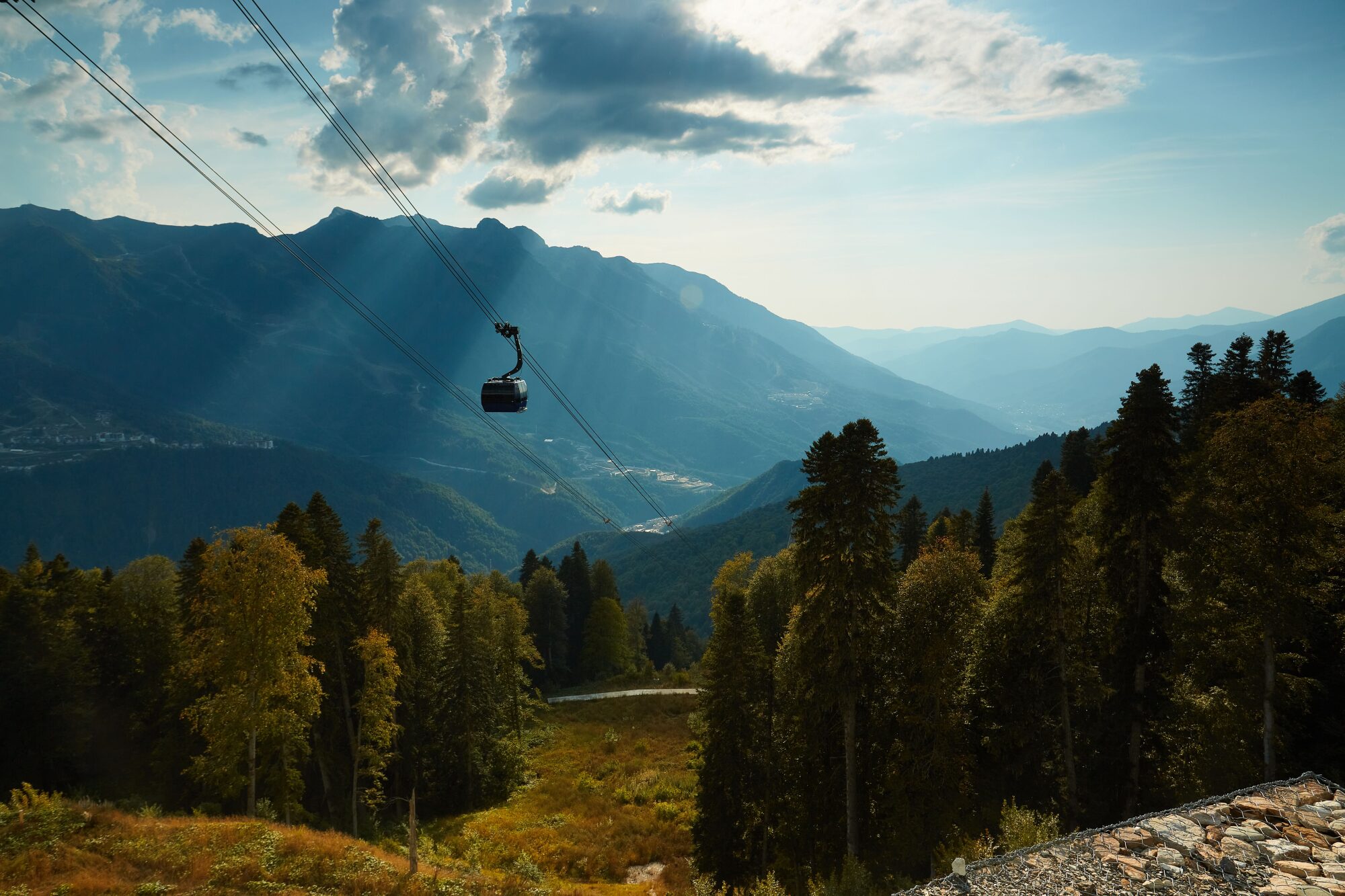
Tbilisi · Borjomi · Bakuriani
Borjomi tour
Explore Borjomi on a private tour and discover one of Georgia’s most famous resort towns. Visit the legendary mineral water park, enjoy beautiful forests, and experience the peaceful atmosphere of the Borjomi valley. Travel comfortably with a private driver and discover the natural beauty and history of this unique destination.
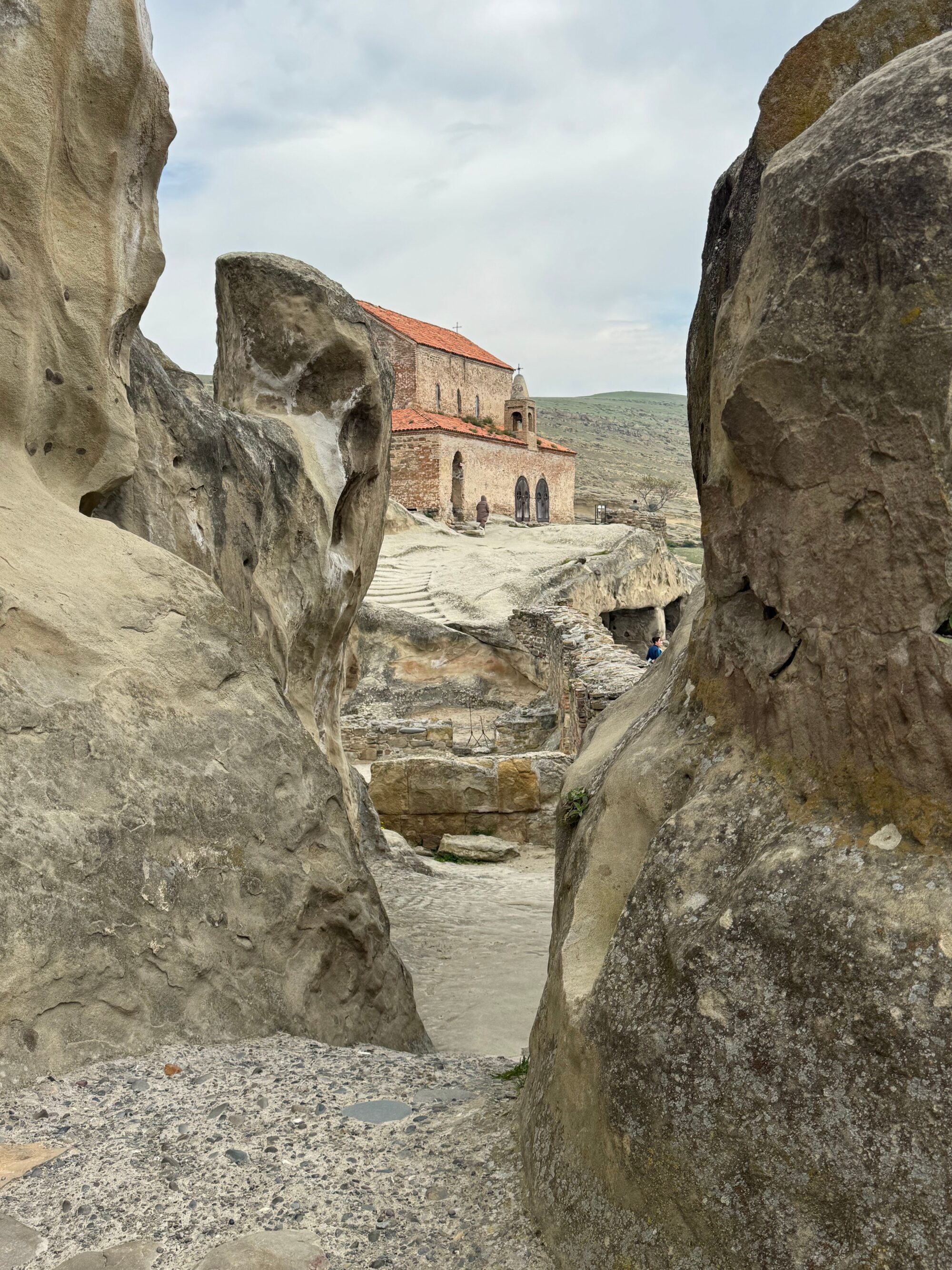
Tbilisi · Uplistsikhe · Stalin Museum …
Uplistsikhe cave town tour
Visit the ancient Uplistsikhe Cave Town on a private day tour from Tbilisi with comfortable transportation and a flexible itinerary
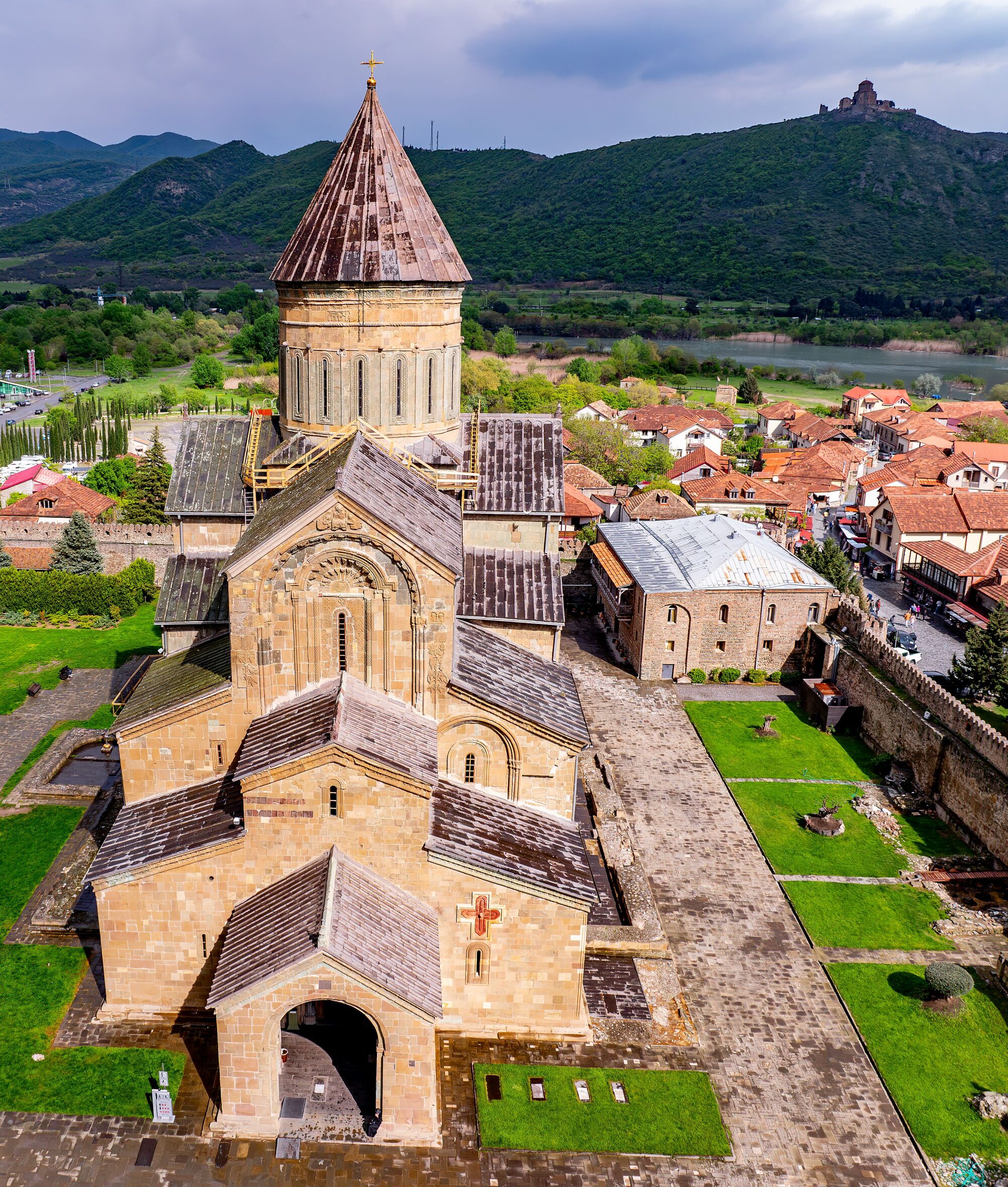
Tbilisi · Jvari · Mtskheta …
Mtskheta from tbilisi
Explore Mtskheta, Georgia's ancient capital. Visit Jvari Monastery, Svetitskhoveli Cathedral, and discover the country's rich history on a day tour from Tbilisi.
Frequently asked questions — Vardzia tour from Tbilisi
How much does the Vardzia tour from Tbilisi cost?
A private day trip starts from $152 for the whole car (up to 9 passengers), fixed at booking. Cash on arrival.
How long does the trip take?
About 8h 34m on the road for 491 km, not counting time spent at each stop — your driver waits for you, so there is no fixed schedule to rush back to.
What stops are included?
This itinerary includes 5 stops — see the full itinerary above for details.
How do I pay?
You pay the driver in cash after the trip. There's no prepayment and no online payment.
Is the car private, or shared with other travelers?
The whole vehicle is yours for the day — the price isn't split per person.
Can I change the schedule or add stops?
Yes — message us on WhatsApp before booking and we'll adjust the itinerary to fit your plans.
About the Vardzia tour from Tbilisi
Vardzia Tour from Tbilisi – Discover Georgia's Most Amazing Cave City
A Vardzia Tour from Tbilisi is one of the most unforgettable day trips in Georgia. This journey combines breathtaking mountain scenery, ancient history, medieval architecture, natural mineral springs, and fascinating legends into one incredible experience.
Starting from Tbilisi, the route passes through central and southern Georgia, taking visitors to the famous spa town of Borjomi, the historic city of Akhaltsikhe, and finally to the spectacular cave monastery of Vardzia. Along the way, travelers enjoy beautiful forests, river valleys, mountain landscapes, and some of the country's most important cultural monuments.
Whether you are visiting Georgia for the first time or returning to discover more of its rich heritage, this full-day tour offers an unforgettable opportunity to explore places that have shaped Georgian history for centuries.
Tour Route
Our journey follows one of the most scenic roads in Georgia:
Tbilisi → Borjomi → Akhaltsikhe → Vardzia → Return to Tbilisi
The drive itself is part of the experience. As you leave the capital behind, the landscape gradually changes from rolling hills to dense forests, mountain valleys, rivers, and dramatic rocky cliffs. Throughout the journey, your driver is happy to make short photo stops whenever possible, allowing you to capture the beautiful scenery.
Why Choose Our Vardzia Tour from Tbilisi?
Choosing the right tour makes a huge difference. Our goal is not only to take you from one attraction to another but to ensure you enjoy every moment of the journey.
Comfortable Transportation
Travel in modern, clean, air-conditioned vehicles suitable for both individuals and groups. Every vehicle is carefully maintained to provide a comfortable ride throughout the day.
Professional Local Drivers
Our experienced drivers know every section of the route and are always happy to share interesting facts, recommend viewpoints, and assist during the trip.
Flexible Photo Stops
Southern Georgia offers countless beautiful landscapes. Whenever road conditions allow, we are happy to stop for photographs so you can fully enjoy the journey.
Weather Considerations
Mountain weather can change quickly throughout the year. Before every trip we monitor weather and road conditions to ensure a safe and comfortable journey. Every season offers its own unique beauty, from green valleys in spring to colorful forests in autumn and snow-covered mountains in winter.
Perfect for Every Traveler
Whether you are traveling alone, with family, friends, or as a couple, this tour is designed to provide a relaxed experience without rushing through the attractions.
Borjomi – Georgia's Legendary Mineral Water Resort
The first major stop on the tour is the famous resort town of Borjomi, one of Georgia's most popular tourist destinations.
Surrounded by the forests of the Lesser Caucasus Mountains, Borjomi has attracted visitors for generations thanks to its famous natural mineral water, fresh mountain air, and beautiful landscapes.
Today, Borjomi welcomes thousands of visitors every year who come to relax, walk through its parks, and taste the world-famous mineral water directly from the natural spring.
The Legend of Borjomi
Like many historic places in Georgia, Borjomi is surrounded by fascinating legends.
According to local tradition, the history of Borjomi began when a wounded deer wandered into the forest searching for water. After drinking from one of the natural springs, the animal miraculously recovered and continued running through the forest completely healed.
Hunters who witnessed this extraordinary event became curious and tasted the water themselves. They soon realized that the spring possessed remarkable natural qualities, and news of the healing water gradually spread throughout the region.
Although today Borjomi is known worldwide for scientific studies of its unique mineral composition, this beautiful legend remains one of the town's most beloved stories.
The Famous Borjomi Mineral Water
Borjomi's mineral water is unlike ordinary groundwater.
It begins its journey deep beneath the Lesser Caucasus Mountains, rising naturally from approximately 8,000 meters below the surface. During this long underground journey, the water passes through numerous geological layers where it becomes enriched with more than 60 naturally occurring minerals.
Unlike many mineral waters that require artificial carbonation, Borjomi reaches the surface naturally carbonated, giving it its distinctive taste that has become famous around the world.
For more than a century, visitors have traveled here to enjoy both the refreshing taste and the unique natural environment surrounding the springs.
Borjomi Central Park
One of the highlights of every Vardzia Tour from Tbilisi is a visit to Borjomi Central Park.
The park offers peaceful walking paths surrounded by tall pine trees, mountain rivers, suspension bridges, and fresh forest air.
Visitors can taste Borjomi mineral water directly from the famous spring inside the park, making the experience completely different from drinking bottled mineral water.
Depending on the season, the park offers colorful flowers in spring, lush green landscapes during summer, spectacular autumn foliage, and magical snowy scenery in winter.
Lunch in Borjomi
Borjomi is the ideal place to enjoy lunch before continuing toward Vardzia.
The town offers numerous restaurants serving authentic Georgian cuisine. Guests can choose traditional dishes such as:
- Khinkali
- Khachapuri
- Mtsvadi (Georgian barbecue)
- Lobio
- Fresh salads
- Homemade desserts
- Local wines and soft drinks
Taking a relaxing lunch break allows travelers to recharge before continuing deeper into southern Georgia.
Beautiful Drive Toward Akhaltsikhe
After leaving Borjomi, the journey continues through picturesque valleys and mountain landscapes toward the historic city of Akhaltsikhe.
This section of the road is considered one of the most scenic drives in southern Georgia. Along the way, visitors can admire forests, rivers, traditional villages, and beautiful mountain views that make the drive enjoyable throughout every season.
As the road approaches Akhaltsikhe, the scenery gradually changes from dense forests to wide valleys surrounded by historic settlements that have played an important role in Georgia's history for centuries.
The next stop introduces travelers to one of southern Georgia's oldest cities, where ancient legends, medieval history, and impressive fortifications come together to tell the story of Akhaltsikhe.
Akhaltsikhe – One of Georgia's Oldest Historic Cities
After leaving the peaceful forests of Borjomi, the journey continues toward Akhaltsikhe, one of the oldest and most historically significant cities in southern Georgia. Located on the banks of the Potskhovi River, Akhaltsikhe has served as an important political, military, and trading center for centuries because of its strategic location between eastern Georgia, the Black Sea region, and neighboring countries.
Today, the city is known for its rich cultural heritage, impressive architecture, and welcoming atmosphere. It is also considered the gateway to many of southern Georgia's most famous attractions, including Rabati Fortress and the extraordinary cave monastery of Vardzia.
For travelers joining our Vardzia Tour from Tbilisi, Akhaltsikhe provides the perfect opportunity to discover another fascinating chapter of Georgian history before reaching the famous cave city.
The Origin of the Name Akhaltsikhe
The modern name Akhaltsikhe literally means "New Fortress." Historians believe the name appeared around the 11th or 12th century after the construction or restoration of an important defensive fortress in the area.
However, before it became known as Akhaltsikhe, historical sources suggest that the settlement was called Lomsia.
Because relatively few written records from that period have survived, historians cannot determine every detail of the city's earliest history. As a result, many traditions and legends have been preserved through oral storytelling, making Akhaltsikhe one of Georgia's most fascinating historic cities.
The Legend of Lomsia
One of the best-known local legends tells the story of the sacred Lomis Icon, a story that has been passed down through generations.
According to tradition, many centuries ago the Lomis Icon was kept in the historic region of Shavsheti together with the local population who worshipped it. During a major enemy invasion, both the people and their sacred icon were captured and remained in captivity for seven years.
During those years, strange misfortunes spread across the land. Harvests failed, livestock stopped producing offspring, and families could no longer raise healthy children. Fear and uncertainty affected everyone living in the region.
The captors eventually asked local fortune tellers to explain these mysterious events. They were told that the disasters would continue for as long as the sacred Lomis Icon remained imprisoned.
Realizing their mistake, the rulers released both the icon and the local people, allowing them to leave freely with their most treasured religious symbol.
How the Ox Chose the New Homeland
Once they were free, another question arose.
Where should they settle?
The elders decided that the sacred icon itself should determine their future home.
According to the legend, the icon suddenly rose into the air, circled above the gathered people, and gently descended onto the back of a powerful ox named Loma.
The ox calmly began walking north toward Georgia, while the people faithfully followed.
Whenever the ox stopped to rest, small shrines were built in memory of the sacred journey. Historians believe that one of these shrines may have stood on the territory of present-day Akhaltsikhe.
For this reason, many researchers connect the city's ancient name Lomsia with the legendary journey of the Lomis Icon.
Although historians cannot fully verify every part of this story, it remains one of the most beloved legends of southern Georgia and continues to be shared with visitors today.
Rabati Fortress – The Jewel of Akhaltsikhe
No visit to Akhaltsikhe would be complete without seeing the magnificent Rabati Fortress, one of Georgia's most impressive restored medieval fortresses.
Originally built during the 9th century, the fortress has witnessed countless historical events. Over the centuries it was controlled by Georgian nobles, the Ottoman Empire, and later the Russian Empire, with each civilization leaving its own architectural influence.
Today, Rabati Fortress beautifully combines Georgian, Byzantine, Ottoman, and European architectural styles, making it unlike any other fortress in Georgia.
Visitors can explore:
Ancient Defensive Walls
Massive stone walls surround the fortress and provide spectacular panoramic views over Akhaltsikhe and the surrounding valleys.
Historic Churches and Mosque
Rabati is unique because several religious buildings from different periods stand together within the fortress complex, reflecting the multicultural history of the region.
Museums
The archaeological and historical museum displays medieval artifacts, ancient manuscripts, traditional weapons, coins, household objects, and exhibitions that illustrate the rich history of Samtskhe-Javakheti.
Beautiful Gardens
Well-maintained gardens, fountains, terraces, and stone walkways make Rabati Fortress one of the most photogenic locations in southern Georgia.
Why Akhaltsikhe Is an Important Stop on a Vardzia Tour from Tbilisi
Many visitors initially view Akhaltsikhe simply as a stop on the way to Vardzia.
However, the city offers much more than a short break during the journey.
Here, travelers can experience centuries of Georgian history, admire remarkable medieval architecture, learn about fascinating local legends, and discover how different cultures have shaped southern Georgia over hundreds of years.
The combination of Rabati Fortress, the ancient history of Lomsia, and the famous legend of the Lomis Icon makes Akhaltsikhe one of the most memorable destinations on the route.
Continuing the Journey Toward Vardzia
After exploring Akhaltsikhe, the tour continues through the beautiful valley of the Mtkvari River toward one of Georgia's greatest historical treasures.
The road becomes increasingly dramatic as towering cliffs, rocky mountains, and deep valleys begin to dominate the landscape. Small villages, ancient churches, and breathtaking viewpoints accompany the final stretch of the drive.
With every kilometer, anticipation grows until the remarkable cave monastery of Vardzia finally appears, carved high into the cliffs of Erusheti Mountain.
For many visitors, this unforgettable first view becomes the highlight of the entire Vardzia Tour from Tbilisi, marking the beginning of an extraordinary journey into the heart of medieval Georgia.
Vardzia – The Legendary Cave Monastery of Georgia and Its Complete History
Vardzia is one of the most remarkable historical monuments in Georgia and one of the most impressive cave cities in the Caucasus. Built into the slopes of the Erusheti Mountain near the Mtkvari (Kura) River, this ancient rock-hewn monastery represents the greatness of medieval Georgian architecture, religion, and culture.
Today, Vardzia is one of the most popular destinations for travelers who choose a Vardzia Tour from Tbilisi, offering a unique opportunity to explore a place where history, legends, architecture, and breathtaking landscapes come together.
The story of Vardzia begins in the 12th century during the golden age of Georgia, when the country became one of the strongest and most influential states in the region. The construction of this extraordinary cave complex was connected with the reign of King George III and later reached its greatest importance under Queen Tamar, one of the most famous rulers in Georgian history.
The Creation of Vardzia During the Reign of King George III
The construction of Vardzia started in the second half of the 12th century, around 1156–1184, during the rule of King George III of Georgia.
At that time, Georgia was facing constant threats from neighboring powers, especially from invasions coming from the south. The strategic location of Vardzia made it an ideal place for both religious life and defense. The monastery was built deep inside the mountain, with hidden passages, tunnels, and hundreds of rooms carved directly into the rock.
The original purpose of Vardzia was not only to create a religious center but also to establish a protected stronghold where monks and local inhabitants could survive during enemy attacks.
The massive cave complex included living rooms, churches, wine cellars, storage areas, meeting halls, and secret routes connecting different parts of the mountain. According to historical sources, Vardzia once contained thousands of rooms spread across multiple levels.
Vardzia and Queen Tamar – The Golden Age of Georgia
After the death of King George III, the construction and development of Vardzia continued under his daughter, Queen Tamar.
Queen Tamar ruled Georgia from 1184 to 1213 and is considered one of the greatest monarchs in Georgian history. Her reign is known as the Georgian Golden Age, a period when the country reached its peak in political power, economic development, and cultural achievements.
During Queen Tamar’s rule, Vardzia became an important spiritual and cultural center. The monastery was expanded, improved, and decorated with magnificent artworks. Monks, scholars, and religious figures lived there, making Vardzia one of the most important Christian centers of medieval Georgia.
One of the most valuable parts of the complex is the Church of the Dormition of the Virgin Mary, which contains unique frescoes depicting religious scenes and portraits of Georgian royal figures, including Queen Tamar and King George III.
Why Was Vardzia Built?
The main reason for building Vardzia was to create a secure religious center protected from foreign invasions.
During the medieval period, Georgia was located between powerful empires that constantly fought for control over the Caucasus region. The country often faced attacks from different directions, especially from Persian and Turkish forces.
Vardzia’s hidden structure provided natural protection. The caves inside the mountain were difficult for enemies to reach, while secret tunnels allowed residents to move between different sections of the monastery without being noticed.
At the same time, Vardzia was designed as a major spiritual center. It was a place of prayer, education, and cultural development. The monastery represented the strength of Georgian Christianity and the achievements of Georgian architecture during the medieval era.
Persian and Mongol Invasions – Challenges in Vardzia’s History
Throughout its history, Vardzia experienced many difficult periods. Because of Georgia’s strategic location, the country became a target for powerful invading armies.
During the 13th century, Georgia faced devastating Mongol invasions. The Mongol conquest significantly changed the political situation in the region and weakened many Georgian territories.
Vardzia, despite its strong structure, could not completely escape the consequences of these conflicts. The monastery gradually lost some of its former importance, and the number of residents decreased.
Earlier, the region had also suffered from conflicts with Persian forces and other invading armies. These attacks damaged parts of the complex and affected the peaceful religious life that had existed there for decades.
Despite these challenges, Vardzia survived and remains one of the greatest symbols of Georgian history.
The Devastating Earthquake of 1283
One of the most important events in Vardzia’s history was the powerful earthquake of 1283.
The earthquake caused significant damage to the monastery. A large part of the outer rock wall collapsed, exposing many of the hidden caves that had previously been protected inside the mountain.
Before the earthquake, Vardzia looked almost like a complete underground city hidden within the cliffs. After the collapse, many of the internal chambers became visible from the outside, creating the appearance that visitors see today.
Although the earthquake destroyed a large part of the complex, the main church and many important structures survived. The remaining caves continue to demonstrate the incredible skill of medieval Georgian builders.
The Hidden Tunnels and Underground Connections of Vardzia
One of the most fascinating features of Vardzia is its complex system of tunnels and hidden passages carved inside the mountain.
The monastery was designed as a fully organized underground settlement. The tunnels connected different levels of the cave city and allowed monks and residents to move safely between rooms, churches, storage areas, and defensive points.
These underground routes were especially important during times of invasion. They provided protection and allowed people to access water sources and different parts of the monastery without leaving the safety of the mountain.
The tunnels also connected important areas of the complex, including living quarters, wine cellars, and religious spaces. Some passages were narrow and carefully carved through solid rock, showing the incredible engineering abilities of medieval Georgian craftsmen.
Exploring these corridors today gives visitors a unique feeling of traveling back in time. Walking through the ancient tunnels of Vardzia allows travelers to imagine how monks lived, prayed, and protected this remarkable place centuries ago.
Rooms Carved Directly Into the Rock
Vardzia is famous for its hundreds of rooms carved directly into the mountain.
These chambers served different purposes. Some were used as monks’ living spaces, while others functioned as dining halls, storage rooms, wine cellars, and places for religious activities.
The caves were carefully designed to provide comfortable conditions for medieval life. The thick stone walls protected inhabitants from extreme weather, while the complex organization of rooms created a functioning community inside the mountain.
Visitors walking through Vardzia can still see traces of ancient daily life, including fireplaces, shelves, and architectural details carved into the stone.
The scale of this cave city is one of the main reasons why Vardzia attracts travelers from all over the world.
The Church of the Dormition of the Virgin Mary and Its Frescoes
The central and most important building of Vardzia is the Church of the Dormition of the Virgin Mary.
Built in the 12th century, this church represents one of the finest examples of Georgian medieval religious architecture. Unlike ordinary churches, it is completely carved into the rock, creating a unique combination of natural landscape and human creativity.
Inside the church, visitors can admire remarkable frescoes that have survived for centuries. These paintings are among the most valuable examples of Georgian medieval art.
The frescoes depict important biblical scenes, including the Dormition of the Virgin Mary, the life of Christ, and portraits of Georgian rulers.
The images of King George III and Queen Tamar are especially significant because they provide a direct connection with the people who played the greatest role in creating and developing Vardzia.
Interesting Facts About Vardzia
- Vardzia was built more than 800 years ago during the Georgian Golden Age.
- The complex originally contained thousands of rooms carved into the mountain.
- It was both a monastery and a defensive underground city.
- Vardzia survived invasions, political changes, and a devastating earthquake.
- The Church of the Dormition contains some of the most important medieval Georgian frescoes.
- The monastery remains an active religious site today.
- Vardzia is one of Georgia’s most visited historical attractions.
Why Choose Our Vardzia Tour from Tbilisi?
Choosing a Vardzia Tour from Tbilisi with SafeTrip allows travelers to discover one of Georgia’s greatest historical treasures in a comfortable and safe way.
Our private tours provide a convenient journey from Tbilisi to Vardzia with experienced local drivers who know the best routes and important historical locations along the way.
During the trip, guests can enjoy Georgia’s beautiful landscapes, visit ancient landmarks, and learn about the fascinating history behind one of the country’s most unique monuments.
A private Vardzia tour is the perfect choice for travelers who want flexibility, comfort, and an authentic Georgian experience without the limitations of crowded group tours.
Whether you are interested in history, architecture, photography, or discovering hidden places, Vardzia offers an unforgettable journey into Georgia’s past.
Visit Vardzia and Discover Georgia’s Ancient Heritage
Vardzia is more than an ancient monastery — it is a symbol of Georgian history, faith, and resilience. The incredible cave architecture, royal connections, hidden tunnels, and centuries-old frescoes make it one of the most extraordinary destinations in Georgia.
A Vardzia Tour from Tbilisi gives you the chance to explore this legendary cave city, discover the stories of Georgian kings and queens, and experience one of the most memorable historical journeys in the country.
Book your private Vardzia tour with SafeTrip and explore one of Georgia’s greatest treasures with comfort, safety, and a professional local service.